
Water Submetering vs RUBS: Pros and Cons
Taking a Closer Look at Water Submetering vs RUBS
Utility billing methods shape residents’ experiences of fairness, accountability, and cost control in multi-family communities. Clear billing structures help property managers and HOAs guide usage habits while reducing disputes over shared expenses. This guide explores water submetering and Ratio Utility Billing Systems (RUBS), with a practical look at how each method handles cost allocation, tracking, and resident responsibility. You will find a straightforward comparison of how submetering works, how RUBS billing operates, and the key pros and cons that influence long-term water management decisions.
What Is Water Submetering?
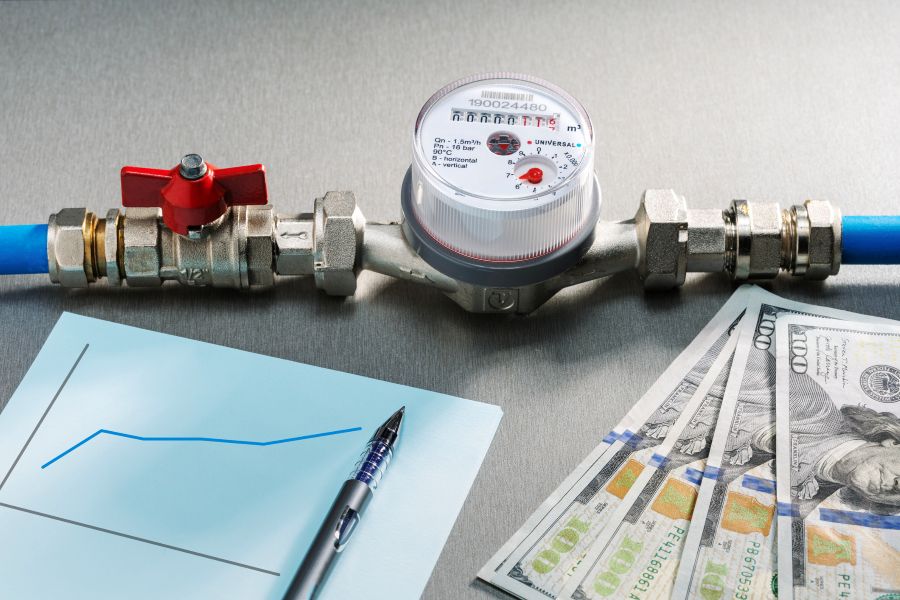
Water submetering measures water use at the individual unit level within a multi-family property. A master meter records total usage for the entire property, while separate submeters track each unit’s consumption. Property managers use these readings to assign water and sewer costs based on actual use. This method creates a clean link between usage and billing. Residents gain visibility into their consumption, which supports conservation and encourages responsible habits. Submetering also helps identify leaks and unusual spikes in usage with greater precision.
What Is RUBS Billing?
RUBS, or Ratio Utility Billing System, allocates water and sewer costs based on factors such as unit size, number of occupants, or a mix of both. This method does not rely on direct measurements from individual meters. Instead, it divides the total utility bill across all units using a set formula. Property managers choose RUBS for its straightforward setup and lower upfront costs. Residents receive a portion of the bill based on their unit’s characteristics, which creates a predictable billing structure for the entire community.
How Do Both Systems Work?
Water submetering relies on physical meters installed at each unit to record actual water usage. These readings feed into a billing system that assigns charges based on measured consumption during a set period. Property managers receive detailed data that supports accurate invoicing and usage tracking. RUBS billing uses a different process, dividing the total utility bill based on a formula tied to unit features such as square footage or occupancy. Each resident pays a calculated share rather than a measured amount. Each method aims to distribute costs across a property while supporting organized and consistent billing practices.
Key Differences Between Submetering and RUBS
A clear comparison of water submetering vs RUBS helps property managers and HOAs choose a billing method that aligns with their goals for fairness, transparency, and long-term cost control. Each approach assigns utility costs differently, which affects how residents view their bills and manage daily water use. The differences below outline how each system handles measurement, billing accuracy, installation, and overall impact within a community:
- Measurement Method – Water submetering records actual consumption for each unit through dedicated meters. RUBS billing uses a formula based on unit characteristics, such as occupancy or square footage, rather than direct measurements.
- Billing Accuracy – Submetering provides precise billing since each resident pays for the exact amount of water used. RUBS produces estimated allocations that can vary depending on how the formula is applied to each unit.
- Behavior Impact – Submetering encourages conversation by linking usage directly to cost for each resident. RUBS offers less direct visibility into individual consumption, which can limit awareness of daily usage habits.
- Long-Term Management – Submetering supports detailed tracking, leak detection, and data-driven decisions. RUBS provides a simpler structure that focuses on the consistent distribution of costs across the property.
Pros and Cons of Water Submetering
Water submetering offers a clear and structured approach to utility billing within multi-family communities. Property managers gain access to detailed consumption data while residents receive charges based on usage. This method supports accountability and encourages mindful water use across each unit. Below, we outline the main benefits and considerations to help guide informed decisions:
- Pro: Encourages Conservation – Direct measurement connects daily usage to monthly costs. Many residents adjust their habits to reduce waste and lower their bills.
- Pro: Leak Detection – Submeters help identify unusual spikes in water usage at the unit level. Early detection supports faster repairs and prevents higher costs over time.
- Con: Installation Requirements – Submetering systems require physical meter installation and setup within each unit. This process may involve planning for plumbing access and system integration.
- Con: Upfront Investment – Initial costs include equipment, installation, and system configuration. Property owners often view this as a long-term investment that supports ongoing savings and efficiency.
Pros and Cons of RUBS Billing
RUBS offers a practical option for communities seeking a simple way to allocate water and sewer costs among multiple units. Property managers often choose this method for its ease of setup and consistent structures. Residents receive predictable bills based on unit features, which can help with budgeting. Below, our team combines the main advantages and considerations tied to RUBS:
- Pro: Simple Implementation – RUBS billing does not require individual meter installation within each unit. Property managers can apply a formula and begin allocating costs with minimal setup.
- Pro: Predictable Structure – Bills follow a consistent formula based on unit size or occupancy. Residents can anticipate charges and plan expenses with greater confidence.
- Con: Estimated Billing – RUBS does not measure actual water usage for each unit. Residents pay a share based on assigned factors, which may not reflect individual consumption habits.
- Con: Limited Usage Insight – This method provides no detailed data on how much water each unit uses. Property managers have fewer tools to track patterns or identify specific areas of high usage.
Which Is Better for Your Property?
The choice between RUBS and water submetering depends on your property’s layout, budget, and long-term goals. Water submetering works well for communities that value precise billing and detailed usage data. RUBS provides a practical alternative for properties that want a simple system without the need to install meters. Many HOAs and developers weigh accuracy, installation needs, and ongoing management when deciding which approach fits their community’s priorities.
Regulatory Considerations in California
California sets clear guidelines for water submetering and RUBS billing to support fairness and transparency in multi-family housing. State laws such as Senate Bill 7 require submeters in many new residential developments and set standards for installation accuracy and billing practices. Property managers must follow disclosure rules, provide detailed billing statements, and maintain proper records for each unit. Compliance with local ordinances and state regulations helps ensure consistent billing and protects property owners and residents.
Find the Right System for Your Home
Clear utility billing supports stronger communities and confident decision-making. Water submetering provides accurate measurements, transparent billing, and meaningful insights that help manage long-term costs. RUBS offers a simple structure that fits properties without meter infrastructure. Each method serves a purpose, depending on your goals and property design. California Sub-Meters brings decades of expertise to guide HOAs and developers toward practical solutions. Contact our team to discover reliable water submetering systems and dependable service for your community.
How to Identify a Faulty Water Submeter
Accurate water measurement keeps multi-family properties running smoothly and supports fair billing for…
Learn About Submetering Testing in California
Reliable testing and certification practices help protect the accuracy of water billing and support…